SOCIAL ACTION, POVERTY AND COOPERATION
Advanced
diseases


This annual report explains the link between the programmes of ”la Caixa” Foundation and the United Nations Sustainable Development Goals (SDG).
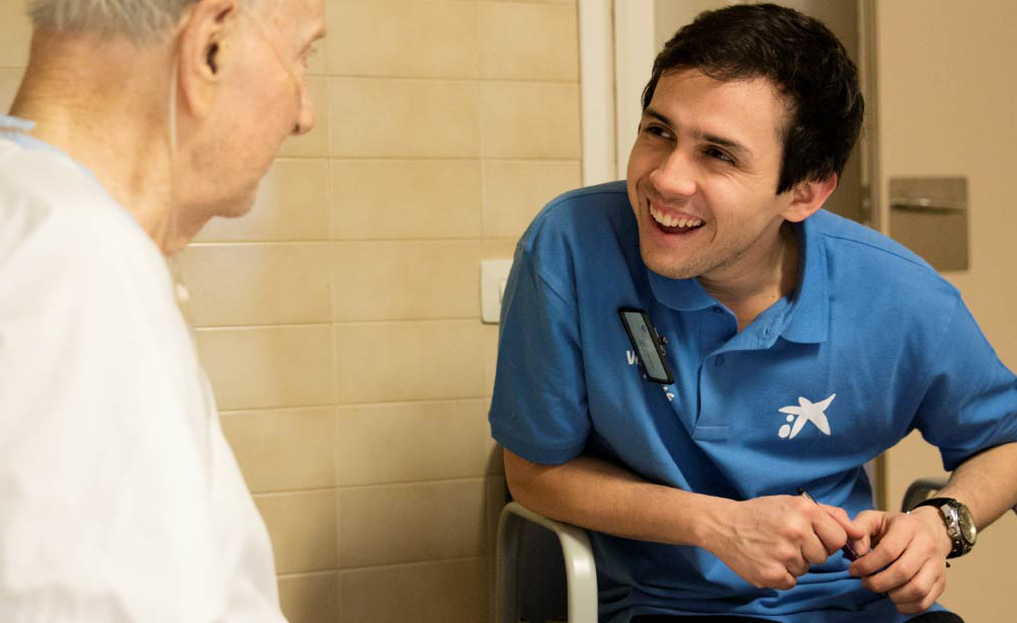

The volunteers, or soul mates, are a vital element due to their commitment to the work of accompanying patients and their ability to listen. The programme has launched the End of Life and Loneliness initiative to attend to extreme cases of absolute loneliness among people who lack family or social support. This programme has 14 support networks throughout Spain.

“Their company gives you strength and makes you feel you are not alone. Sometimes I cry for joy at feeling so cared for.”

“I was in a very intense emotional situation, including life-changing stress, and they helped me get my second wind and move on.”
“Humanising assistance is going to see a sick person and their family, leaving your gown in the office and approaching them as we are: people.”

SICK PEOPLE
ATTENDED

RELATIVES
ATTENDED

HOSPITALS
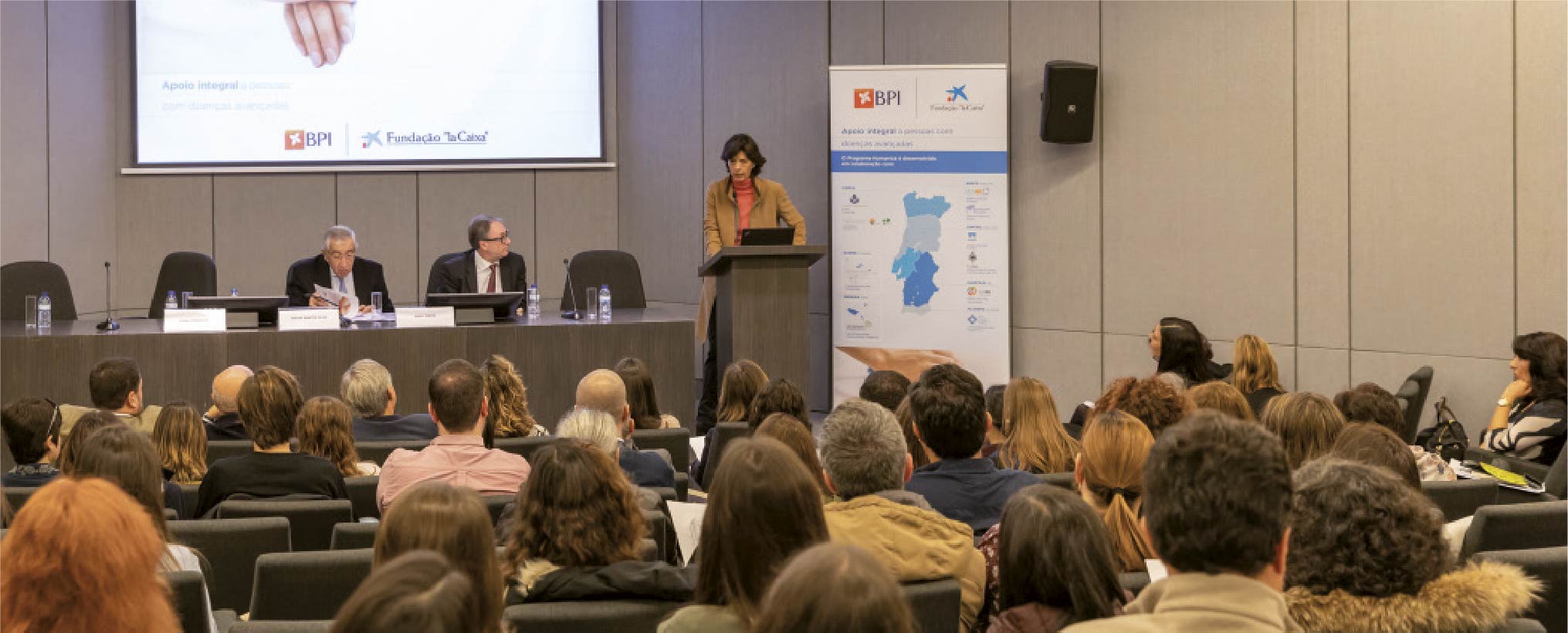
The Humaniza programme has been implemented in Portugal in collaboration with the Ministry of Health and the General Secretariats of Health of the Azores and Madeira.
2019 saw the consolidation of the work carried out by the ten psychosocial care teams, located in different regions of Portugal.
4,473 patients and 5,445 relatives have been attended.
Together with Ordem dos Médicos, 13 fellowships have been granted for the medical specialty of palliative care. This initiative will increase the number of doctors with these skills by 20%.
Within the Call for Support for Associative Movements, four innovative projects have been chosen from non-profit organisations with recognised expertise in the field of end-of-life care.